Many people think you can only get a DUI if you are caught driving. But that’s not always true. What if you are just sitting in a parked car? Can you get a DUI if you are not driving?
Yes, you can receive a DUI even if you are not actively driving. When you are in physical control of a vehicle while impaired, such as sitting in the driver’s seat with the keys, you may face a DUI charge. This rule applies in many states to prevent potential driving under the influence.
Understanding these is crucial, especially if you are in a similar situation. Let’s explore how and why someone can be charged with a DUI without driving.
Table of Contents
Key Takeaways
- Physical Control Matters: You can be charged with a DUI if you can operate the vehicle, even if not driving.
- Key Access: Having keys in your possession near a vehicle can lead to a DUI, regardless of driving status.
- Legal Advice: Always consult with a DUI attorney if you face charges without driving; specialized legal guidance is crucial.
DUI Offenses Without Driving
Sometimes, you can get a DUI even if you are not driving. This can happen if you’re in or around a car and can drive it. Let’s talk about 3 situations where this can occur.
Operating A Parked Vehicle
You can still face a DUI charge even if your car isn’t moving. This happens when someone is found in the driver’s seat of a parked car and appears to have been driving it while drunk.
When the car is on, even just to use the heater or air conditioner, it counts as operating the vehicle.
Being In Control Of The Car
Being in control of the car means you can drive it. However, driving is not currently required.
You’re in control once you’re in the driver’s seat and have access to the car’s controls. This can lead to a DUI charge if you’re also under the influence of alcohol or drugs.
Keys In The Ignition
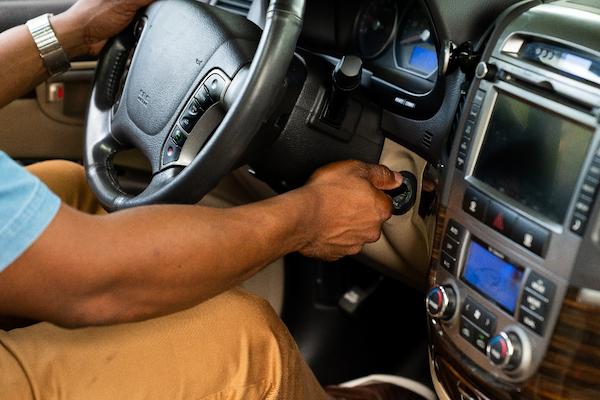
When the police find you with the keys in the ignition, and you’re not driving, or the car isn’t running, you still can get a DUI charge.
This situation implies that you can start the car and drive away, which is enough for law enforcement to consider you a risk on the road.
Legal Implications
The legal implications are critical to understand. You can still face serious consequences even if you are not caught driving. This can happen under specific circumstances.
Arrest For Intent To Drive
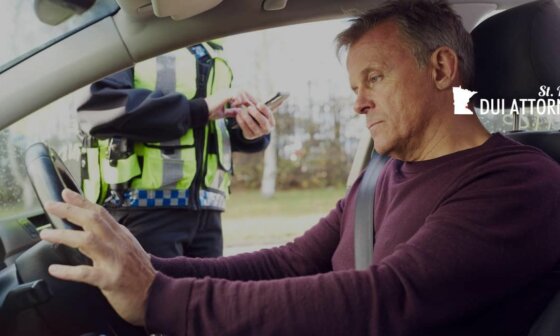
You can get arrested for a DUI in some places, even if you are not driving. When the police think you planned to drive or could start driving, they can arrest you.
For example, if you are in the driver’s seat and have the car keys, this could be enough for the police to think you intended to drive.
Potential Penalties
The penalties for a DUI can be tough. They include paying big fines, losing your driver’s license, or even going to jail. The exact penalty often depends on where you live and if you have been in trouble for a DUI before.
Defense Strategies
There are ways to defend yourself in court if you get a DUI without driving. One common defense is to show that you had no plans to drive.
Maybe you were just sitting in the car to stay warm or to listen to the radio. Another defense could be that you were not in control of the car.
Maybe you were in the back seat without the keys. Talking to a lawyer who knows about DUI laws is important to help you with these defenses. They can use their knowledge to help you in court.
Factors Influencing Charges
When someone asks, “Can you get a DUI if you are not driving”, several factors play a crucial role in deciding if charges will be applied. Here’s a closer look:
State Laws
Different states have different rules about DUIs. In some places, you just need to be in the car with the keys to get a DUI. This rule says you could face charges if you can move the car. Each state sets its laws, so what counts in one state may not count in another.
Police Discretion
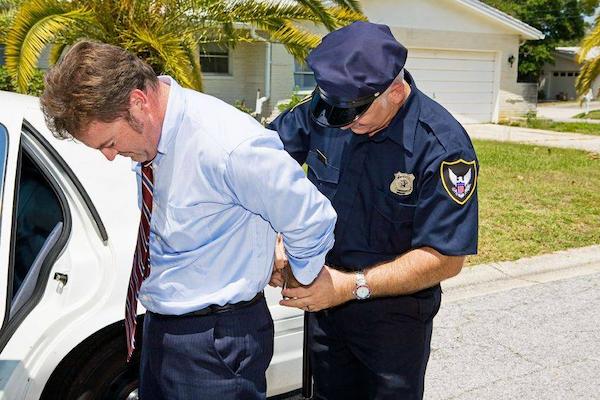
The decision to charge someone with a DUI often depends on what the police think happened.
Once an officer finds you in a car and believes you were going to drive or were driving before they got there, they can charge you with a DUI. Police look at how you act, where you are in the car, and other clues to make this decision.
Blood Alcohol Concentration
How much alcohol is in your body is a big deal. Most states say a blood alcohol concentration (BAC) of 0.08% or more is too much for driving.
When your BAC is high, even if you are not driving, you could still get a DUI. The law sees it as a risk if you have the keys and could start driving.
Defending A Non-Driving DUI Charge
When you face a DUI charge but are not driving, it is crucial to know how to defend yourself. Here are 3 ways to handle the case:
Legal Defense Strategies
Understanding your legal defenses is essential in a non-driving DUI case. Here are key points to argue:
- Lack of Physical Control: Argue you did not have control over the vehicle. For example, if you were sleeping in the back seat and not in the driver’s seat with the keys in the ignition, this can be a strong point.
- No Intent to Drive: Show that you had no plan to drive. Maybe you were waiting for a sober friend or a cab.
- Mistaken Location: Sometimes, people are charged while they are near but not inside their car. Prove that you were not in or near the driver’s seat.
Importance Of Legal Representation
Having a good lawyer is key. DUI laws are complex, and a skilled lawyer can make a big difference. They know how to:
- Find weak points in the police’s case.
- Use legal rules to help you.
- Talk to the court and make your case strong.
Potential Defenses And Outcomes
Here are 3 potential defenses and their possible outcomes in a non-driving DUI case:
- Suppression of Evidence: When the police make errors while collecting evidence, your lawyer can get that evidence thrown out.
- Negotiation for Lesser Charges: Sometimes, a lawyer can negotiate with the prosecutor to reduce the charges, maybe to reckless driving instead of a DUI.
- Complete Dismissal: The charge can be completely dropped if your defense is very strong.
Precautions And Alternatives
When avoiding a DUI, it’s important to know your options even if you’re not planning on driving. Making smart choices can keep you and others safe.
Designated Drivers
A designated driver agrees to stay sober and drive others home. This is a safe way to ensure everyone gets home without issues. Before you go out, pick a friend who will not drink at all.
This friend will take on the role of driving everyone safely. This helps avoid any risks of DUI charges because someone who has not been drinking is in control of the car.
Ride-Sharing Services
Ride-sharing services like Uber or Lyft are excellent options if you don’t have a designated driver. These services allow you to get a ride through a phone app. It’s very simple.
You just need to download the app, set up your payment method, and request a ride. A driver who is working for the service will come and pick you up.
Using ride-sharing services means you don’t need to worry about driving. You can enjoy your time out without worrying about how to get home safely.
FAQs
1. Can Penalties For A Non-Driving DUI Be As Severe As Those For Driving?
Penalties for a non-driving DUI can be as severe as those for driving under the influence. Even when you’re not actively driving, being in control of a vehicle while impaired can result in significant legal consequences, including fines, license suspension, and even jail time, similar to driving DUIs.
2. Do All States Have The Same Laws Regarding Non-Driving DUIs?
No, all states do not have the same laws regarding non-driving DUIs. Laws vary widely; some states allow DUI charges if you’re merely in control of the vehicle, while others require more concrete evidence of driving or attempting to drive while impaired. Always check local laws for specifics.
3. What Should I Do If I’m Charged With A DUI But Wasn’t Driving?
When charged with a DUI but weren’t driving, immediately consult a DUI attorney—document where you were and what you were doing at the time. Gather any possible witnesses. An attorney can argue a lack of actual physical control over the vehicle, potentially leading to dropped or reduced charges.
Conclusion
It is possible to get a DUI without driving. You can face a DUI charge when you sit in a car and have the keys. This rule is about safety. The law wants to stop anyone who drives under the influence.
Talking to a lawyer is a good idea if you find yourself in this situation. They can help you understand your rights and what to do next. Remember to be careful; knowing the laws can help you avoid trouble.