Getting a motorcycle license with a DUI can be tough. When you have a DUI, you may be confused about getting your motorcycle license. But, can you get a motorcycle license with a DUI?
Yes, you can get a motorcycle license with a DUI, but it involves specific steps. First, serve any suspension period and complete mandatory DUI education. Then, pay all fines and secure SR-22 insurance. Meet with the DMV to present your case and fulfill any additional state-specific requirements.
Let’s explore the necessary steps and considerations for obtaining a motorcycle license following a DUI.
Table of Contents
Key Takeaways
- License Suspension Impact: A DUI results in a license suspension, affecting your ability to obtain a motorcycle license during that period.
- Required Remedial Actions: After a DUI, you must complete mandatory educational programs and pay fines before applying for a motorcycle license.
- Possible Insurance Hurdles: Obtaining a motorcycle license post-DUI may lead to higher insurance rates, impacting long-term affordability and accessibility.
DUI Conviction Effects On Motorcycle Licensing
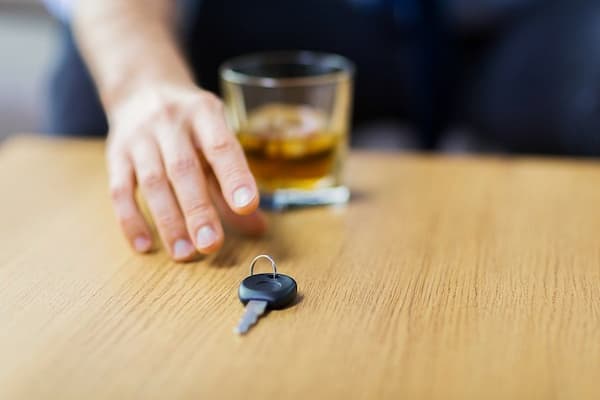
When someone gets a DUI, it often affects their ability to get a motorcycle license. The laws can be strict, and the effects are serious. Here are the main issues you can face if you try to get a motorcycle license after a DUI:
Suspension Periods For DUI
After a DUI, your driving privileges usually get suspended. This means you cannot drive any vehicle, including motorcycles, for a set time. The length of this suspension can vary.
It depends on the state you live in and how severe the DUI was. Some states have a few months of suspension, while others can suspend your license for a year or more for the first offense. When you get more DUIs, the suspension time increases.
Restrictions On New Licenses
Getting a new motorcycle license after a DUI isn’t just about waiting out the suspension period. There are extra steps you need to take. For example, some states require you to go through a special review process.
During this process, they decide if you can safely operate a motorcycle. They look at your past driving record and the details of your DUI. When they think you pose a risk, they can deny your application for a new license.
Specifics For Motorcycle Endorsement
Motorcycle endorsements are special additions to your license that say you are qualified to ride a motorcycle. After a DUI, getting this endorsement involves more than just passing the usual tests.
You may need to provide proof that you’ve completed a DUI education program or other rehabilitation programs. Some states also require you to retake the motorcycle skills test or even attend a hearing to discuss your ability to ride safely.
Steps To Reinstate Your Motorcycle License
After a DUI, you must regain your motorcycle license. This involves several crucial steps. They are designed to ensure you are fully prepared and legally allowed to drive again. Here’s a detailed look at what you’ll need to do:
Complete DUI Education Or Alcohol Programs
The first step toward reinstating your motorcycle license is to complete a required DUI education or alcohol program. These programs are designed to help you understand the dangers of impaired driving.
They also aim to prevent future offenses. They cover sessions on the effects of alcohol on driving. They also cover the legal consequences of a DUI. They also cover strategies for responsible drinking.
Each state has its own rules. These cover the program’s length and topics. Finishing this program is mandatory. It shows your commitment to safe driving.
Serve The Suspension Period
After a DUI, your driving privileges will be suspended. The length of the suspension is set by state law and your case. This suspension period is a punitive and rehabilitative measure.
During this time, you are not permitted to operate a vehicle, which includes motorcycles. The length of the suspension can vary greatly. It can be from a few months to several years.
This depends on the severity of the DUI and if it’s a first or subsequent offense. Following this suspension is critical. Driving with a suspended license can lead to worse penalties. It can also extend the suspension.
Pay All Fines And Associated Court Fees
Part of dealing with a DUI involves financial penalties. These can be substantial and are intended to serve as a deterrent against future DUI offenses. Fines can vary greatly by state. They depend on the circumstances of the DUI incident.
This includes whether it involved an accident, injury, or repeat offense. Also, you may need to pay court costs and fees from your arrest and legal proceedings. You must pay these fines and fees in full. This is necessary before you can get back your license.
Obtain SR-22 Insurance
Obtaining SR-22 insurance is another critical step in the process. SR-22 isn’t insurance but a form your insurance company must file on your behalf. It proves to the state that you carry the minimum car insurance coverage required by law.
This form is usually required for drivers who have been convicted of driving under the influence, as they are considered high-risk. You’ll typically need to keep your SR-22 status for one to five years.
The length depends on your state’s requirements. You can lose your driving privileges if you do not keep SR-22 insurance.
Meeting With The Department Of Motor Vehicles (DMV)
When you’re ready to get your motorcycle license after a DUI, you must meet with the Department of Motor Vehicles (DMV). This step is crucial in the process of reinstating your license. Here’s what you need to do:
Schedule An Appointment For License Reinstatement
First, you must schedule an appointment with the DMV. You can do this online, by phone, or in person at a DMV office. It’s important to make this appointment as soon as you are eligible to begin the reinstatement process. This ensures you do not delay your ability to drive legally again.
Present All Required Documents To The DMV
On the day of your appointment, bring all necessary documents with you. These typically include your ID, proof of residency, proof of completion of any required DUI education or treatment programs, and possibly a court clearance showing that you’ve met all legal obligations.
The exact documents can vary, so check the requirements in your state before your appointment.
Attend A Hearing
During your DMV visit, you may need to attend a hearing. At this meeting, a DMV official will review your case and documents to decide whether your driving privileges can be reinstated.
You may need to explain how you’ve met all the requirements and discuss your plans to avoid future DUIs. This is your chance to show you’re ready to be a responsible driver.
Receiving Your Motorcycle License
After you meet all the requirements for a motorcycle license following a DUI, you will need to go through a few more steps. It takes time and patience, but soon, you can ride your motorcycle legally.
Allow Processing Time For Your Application
Once you submit your application for a motorcycle license, you need to wait a bit. The DMV checks your application to make sure everything is in order. This process can take several weeks.
During this time, the DMV ensures you have completed all necessary steps and met all the requirements following your DUI.
Receive A Temporary Motorcycle License (State-Specific)
In many states, you first get a temporary motorcycle license after your application is approved. This temporary license lets you ride a motorcycle while you wait for your permanent license.
The rules and the time you can use a temporary license vary by state. It is important to know your state’s rules.
Obtain Your Permanent Motorcycle License
After your temporary phase ends, you will receive your permanent motorcycle license. You must revisit the DMV, sometimes with additional documents, to pick up your permanent license. Now, you can enjoy riding your motorcycle, knowing you have completed all the steps correctly.
FAQs

1. Can I Apply For A Motorcycle License If I Have A DUI On My Record?
Yes, you can apply for a motorcycle license with a DUI on your record, but it may involve additional steps. Typically, you must complete any mandated suspension periods, attend DUI education programs, and possibly face restrictions or extended probation periods during the application process.
2. Does The Type Of DUI Affect My Ability To Get A Motorcycle License?
Yes, the type of DUI can impact your ability to obtain a motorcycle license. More severe offenses, such as those involving injuries or high blood alcohol levels, often result in stricter penalties and longer license suspension periods. Each state has specific regulations that must be followed.
3. What Are The Implications Of A DUI On Obtaining A Motorcycle License?
A DUI conviction impacts obtaining a motorcycle license by imposing mandatory suspension periods and educational program requirements. Expect increased insurance costs and possible restrictions on license reinstatement. Addressing these barriers is crucial for regaining driving privileges.
Conclusion: Can You Get A Motorcycle License With A DUI?
Getting a motorcycle license after a DUI can be challenging but not impossible. First, you must serve any suspension time and complete the required programs. You also need to pay all fines and meet all legal requirements.
Once you complete these steps, you can apply for a motorcycle license. Remember that driving safely and responsibly is key to keeping your license.