Driving under the influence (DUI) is a serious offense. This has significant legal ramifications. One consequence of being charged with DUI is the issuance of a warrant. Let’s learn how much jail time for a DUI warrant in this in-depth article.
Jail time for a DUI warrant can vary. It will depend on the state and the circumstances of the case. In general, a first-time offense can result in anywhere from a few days to a few months in jail. Repeated offenses or aggravated circumstances can lead to longer sentences. So, be careful.
Here, we’ll provide a comprehensive understanding of the jail time. It is associated with DUI warrants, along with the steps individuals can take. These are to resolve such warrants. These are also to navigate the legal process effectively. Go through this comprehensive article to learn more.
Table of Contents
Key Takeaways
- Arrest: A DUI warrant can lead to immediate arrest, with possible jail time until court hearing.
- Court Appearance: Jail time for a DUI warrant ranges from 1 day to several months. It depends on the case.
- Fines and Probation: In addition to jail time, DUI warrants often result in fines, license suspension, and probation.
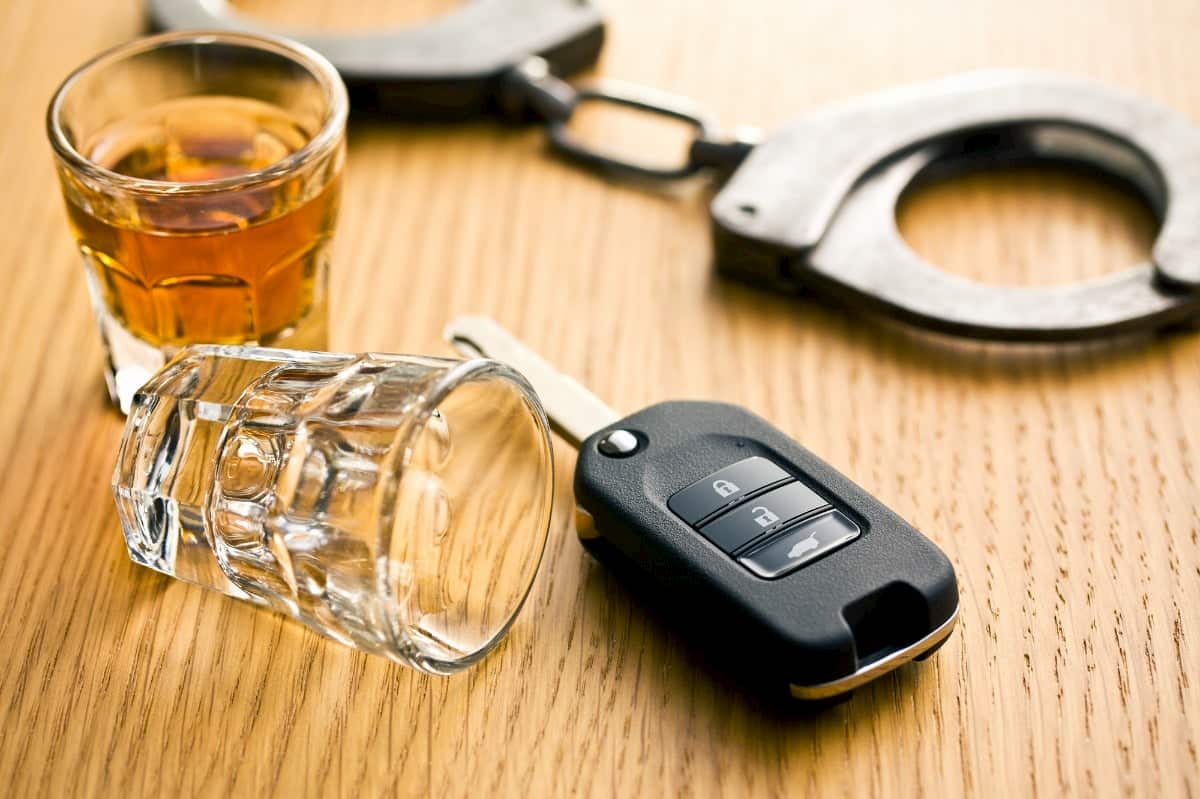
DUI Warrants Explained
A DUI warrant means that the police are looking to arrest someone for driving drunk. When you have a DUI warrant, you can be facing time in jail. In this section, we’ll discuss DUI warrants in detail.
It includes legal implications and issuance criteria. It also involves consequences for non-compliance. Keep reading to grasp all the details.
Legal Implications
A DUI warrant is issued when someone misses court or breaks probation for a DUI. This allows the police to arrest them. It’s serious because it means they didn’t follow the law. It also means now they have to face consequences set by the court.
Issuance Criteria
DUI warrants happen when someone skips court. It also happens when someone disobeys orders or breaks probation for DUI. These warrants are serious and need quick action. It means they didn’t follow the law. It also means now they have to deal with legal consequences.
Consequences For Non-Compliance
Ignoring a DUI warrant can cause more problems. For example, getting arrested, facing more charges, and harsher penalties if found guilty. It’s important to deal with it promptly. This is to avoid making the situation worse.
Jail Time For DUI Warrant
Getting caught driving under the influence (DUI) can lead to serious consequences. It includes jail time. Here, we’ll learn the jail time for DUI warrants elaborately. Let’s get into the details.
Arrest Warrant Implications
An arrest warrant for DUI means the police can arrest the person. They can also take them to court for the DUI offense. It’s a legal document. It permits the police to catch someone who broke the law. This is by drinking and driving.
Potential Incarceration
When someone with a DUI warrant is arrested, they can go to jail. The time spent in jail for DUI can change based on some factors. For example, past crimes, how serious the DUI was, and the laws of the state.
Judicial Discretion Factors
The amount of time spent in jail for a DUI warrant can be decided by a judge. Some factors can affect how long they stay in jail. For example, how well the person cooperates with the authorities, follows court rules, and tries to get better.
Resolving DUI Warrants
Resolving a DUI warrant means taking steps to address the situation. This can involve turning yourself into the police or hiring a lawyer. It also includes attending court hearings and following the judge’s orders. It’s important to take responsibility and work towards a resolution.
Turning Yourself In
When you have a DUI warrant, it’s best to turn yourself into the police. This shows you are willing to follow the rules. This can also help make your punishment less severe.
Remember, it’s important to take responsibility for your actions, even if it’s difficult. Turn yourself in. Thus you show that you are willing to face the consequences and make things right.
Legal Representation Importance
Having a lawyer is really important when dealing with DUI warrants. They know the law well. They can help protect your rights. They can also try to get the best result for you. Getting legal help is a smart decision in these situations.
Addressing Warrant Consequences
Dealing with a DUI warrant means going to court. It also means following court rules. It also means talking to lawyers to settle the case. It’s important to address the warrant properly. This is to handle any consequences that can come up.
Court Proceedings
In this section, we’ll discuss the court proceedings in detail. It includes the warrant execution process and bail considerations. It also involves the impact on legal proceedings. Let’s get into the details.
Warrant Execution Process
When someone is arrested for a DUI warrant, they go to court to see a judge. The judge decides on bail. They set more court dates, and arraign the person. It’s part of the process to handle the warrant.
Bail Considerations

When someone goes to court, bail can be decided. This is to let them out until the trial. The bail amount can change. This is based on how serious the offense is and if the person can run away.
Impact On Legal Proceedings
Having a DUI warrant can make things harder in court. This can affect what happens in the case. It’s important to deal with the warrant quickly. This is to help things go smoothly in the legal process.
Legal Defense Strategies
Legal Defense Strategies are important. This is when facing charges of driving under the influence. A DUI warrant means that someone has been accused of driving. This is while intoxicated. When convicted, the person can face jail time.
The amount of jail time can vary. It depends on the circumstances of the case. It is important to have a good defense strategy. This is to potentially reduce or avoid jail time. Let’s learn more about it.
Importance Of Legal Counsel
Consulting with a skilled DUI defense attorney is crucial. This is for developing an effective legal defense strategy. Attorneys can challenge the validity of the warrant. They can negotiate with prosecutors. They can also advocate for the best possible outcome.
Resolving Warrant Issues
Legal counsel can help with resolving DUI warrants. This is by talking to prosecutors, and turning oneself in voluntarily. This is also by asking the court for different solutions. They work to find the best way. This is to handle the situation and avoid unnecessary trouble.
Building A Strong Defense
A strong defense for DUI charges can involve questioning if the traffic stop was legal. It also involves arguing against the accuracy of sobriety tests or breathalyzer results. It can also include showing evidence to lessen the punishment in court.
These strategies aim to protect the accused person’s rights. These also aim to potentially reduce the consequences.
Alternative Resolutions
In this section, we’ll focus on the alternative resolutions. These include negotiating with the court and possible plea bargains. These also include sentencing alternatives. Keep reading to grasp all the details.
Negotiating With The Court
When someone is charged with a DUI, they can talk to the court. This is about accepting a plea deal or different punishment instead of going to trial. This can sometimes result in fewer charges or consequences for the person.
Possible Plea Bargains
Plea bargains involve admitting to a less serious offense. This is to receive reduced charges or penalties. Before agreeing to a plea bargain, it’s crucial to consider both the positive and negative aspects of this legal agreement.
Sentencing Alternatives
In some cases, instead of going to jail, people can do some things. For example, community service or attending programs to help them. This depends on what happened in the case. These options can also be used instead of going to prison.
Surrendering To Authorities
Surrendering to authorities means turning yourself in for breaking the law. When you have a warrant for DUI, you can face jail time. It’s important to take responsibility for your actions and follow the law. Let’s learn more about it here.
Voluntary Surrender Process
Surrendering voluntarily means giving yourself up to the police. This is with the help of a lawyer. This is usually the best thing to do if you have a DUI warrant. It’s important to take responsibility for your actions. It’s also vital to seek legal advice to deal with the situation properly.
Legal Advice Importance
Get legal advice before turning yourself in. It helps you know your rights and what can happen. Lawyers can help you through the surrender process. They can also speak up for you. It’s important to have a lawyer by your side. This is to make sure everything goes smoothly.
Mitigating Consequences
When you voluntarily surrender, it shows you’re working with the law. The court can see this as a good thing. They can also give you a lighter punishment. It’s important to follow the legal process and show cooperation. This is to possibly receive a more lenient sentencing.
Avoiding Future Warrants
In this section, we’ll discuss how to avoid future warrants in detail. It includes complying with legal obligations and addressing DUI charges promptly. It also involves seeking legal guidance. Let’s get into the details before ending the discussion.
Complying With Legal Obligations

Follow what the court says, go to scheduled meetings, and follow probation rules. All these can prevent getting more DUI warrants. It’s essential to obey these obligations. This is to stay out of trouble and avoid facing legal issues in the future.
Addressing DUI Charges Promptly
Act quickly to deal with DUI charges. This is by getting a lawyer and following the legal process. It can stop warrants from being issued and lessen the punishment. It’s important to handle these charges promptly. This is to avoid more trouble and reduce potential consequences.
Seeking Legal Guidance
Talking to a DUI lawyer early on helps you know your legal rights. It also helps you know what can happen next. This can lower the chance of getting more warrants in the future. It’s important to seek help from a lawyer. This is to understand your options and outcomes.
FAQs
1. What Is The Most Common Sentence For A First DUI?
The most common sentence for a first DUI offense is a short jail term of a few days to a week. This is along with fines and potential license suspension. Extra penalties can include probation, community service, or mandatory alcohol education programs. Consult with a legal expert to learn more.
2. Can Voluntary Surrender Affect Sentencing For A DUI Warrant?
Yes. Voluntary surrender can often positively impact the sentencing for a DUI warrant. Show responsibility and willingness to cooperate. Thus a judge can consider this favorably when determining penalties. Still, outcomes can vary. This is based on the specifics of each case. Consult a legal expert.
3. How Long Does A DUI Warrant Last?
A DUI warrant does not have an expiration date. It can last indefinitely until resolved. It is crucial to address the warrant promptly. This is to avoid potential consequences. For example, arrest, additional charges, fines, and even jail time. Seek legal help for guidance on resolving the warrant.
Conclusion
Navigating the legal complexities associated with DUI warrants requires careful attention and proactive measures. Individuals facing DUI warrants must seek legal representation.
They must address warrant issues promptly. They must cooperate with the legal process. This is to achieve the best possible outcome.
Understand your rights and responsibilities. Also, you need to seek appropriate legal guidance when facing such situations. Thus you can mitigate the consequences of DUI warrants. You can also avoid future legal troubles.