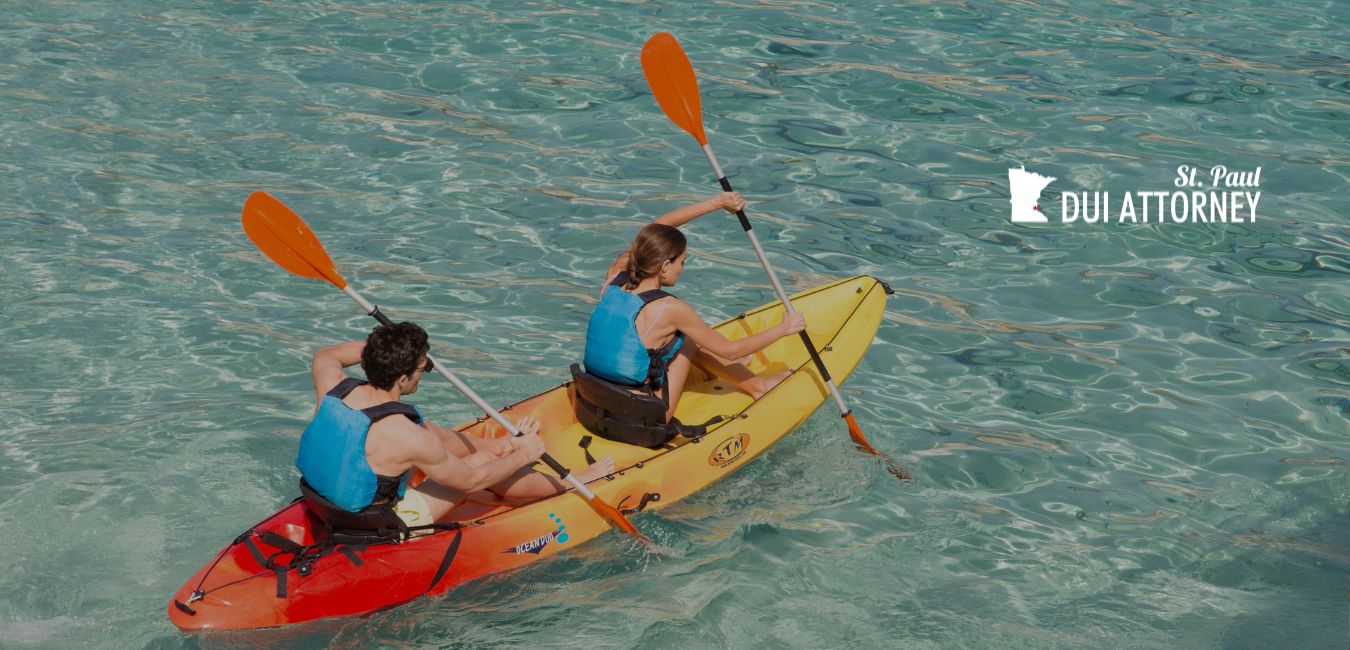
Can you get a DUI on a kayak? It may sound unusual, but it’s true—you can face serious legal troubles if you kayak under the influence of alcohol or drugs.
Yes, you can get a DUI on a kayak. Many states apply DUI laws to all vehicles, including non-motorized watercraft. Operating a kayak under the influence of alcohol or drugs can lead to serious legal consequences, including fines and potential jail time. Always kayak sober to ensure safety.
This can lead to hefty fines, loss of boating privileges, and other legal issues. Let’s dive into what you need to know about kayaking safely and legally.
Table of Contents
Key Takeaways
- Legal Considerations: Yes, you can receive a DUI on a kayak if found operating it under the influence of alcohol or drugs.
- Safety Risks: Operating a kayak while impaired increases the likelihood of accidents and injuries on the water.
- Legal Consequences: A kayak DUI can lead to fines, loss of boating privileges, and potentially affect your driving record.
DUI Laws For Watercraft
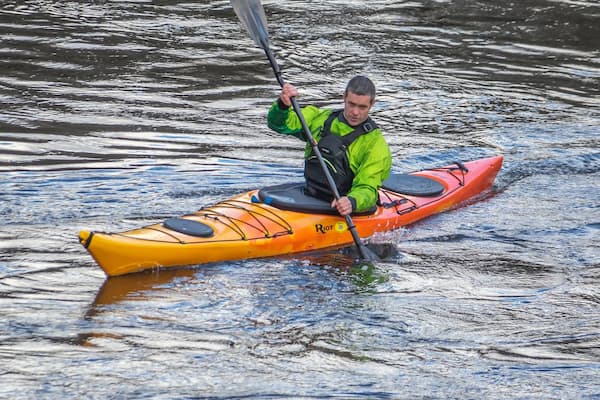
DUI laws don’t just apply to driving cars; they cover watercraft, too. This means if you operate any vessel while under the influence of alcohol or drugs, you could face a DUI charge.
Boating Under The Influence (BUI)
BUI laws encompass the operation of any vessel on the water while intoxicated. This includes motorboats, jet skis, sailboats, and canoes. And, yes, even kayaks. The key factor is the operator’s intoxication level. It affects their ability to navigate the waterway safely.
Here’s why BUI is taken so seriously:
- Impaired Judgment: Alcohol and drugs impair one’s ability to make good choices, which can be disastrous for the water. Good judgment is essential for safe boating. It’s needed to navigate currents, avoid hazards, and stay upright.
- Slowed Reaction Time: Under the influence, reaction times are significantly reduced. This can cause delayed responses to obstacles, such as other vessels or sudden weather changes.
- Reduced Coordination: Balance and coordination are crucial for operating any watercraft. Alcohol and drugs can severely diminish these skills, increasing the risk of capsizing or collisions.
Kayak DUI Implications
Kayaking often conjures images of a peaceful, low-risk activity. However, DUI laws apply just as much to kayaks as to motorboats. Here’s why:
- Intoxication Impairs All Operators: Regardless of the type of vessel, being under the influence makes it hard to operate it safely. A kayak is smaller and easier to steer. But, this can make it more dangerous to use while drunk. It’s easier to lose control or capsize.
- Blood Alcohol Concentration (BAC) Limits: Most states have a legal BAC limit for BUI. It is usually the same as the limit for DUI. Being caught above this limit while operating a kayak can result in a BUI charge.
- Field Sobriety Tests: Marine law officers are trained to administer field sobriety tests on the water. These tests can assess balance, coordination, and thinking and tell if a person is intoxicated.
Legal Consequences Of BUI
A BUI conviction can have big consequences. They go beyond a ruined kayaking trip. Here’s what you could be facing:
- Fines: Depending on the severity of the offense and your BAC level, fines can range from hundreds to thousands of dollars.
- Jail Time: Repeat offenders or those involved in accidents may face jail time as a penalty.
- Boating License Suspension/Revocation: A BUI conviction can result in suspending or revoking your boating privileges, significantly impacting your ability to enjoy water activities in the future.
- Driver’s License Impact: In some states, a BUI conviction can also affect your driver’s license. Points may be added, or you could face suspension.
- Boating Safety Course: The court may require a boating safety course. You must do this before regaining boating privileges.
Jurisdictional Variances
Laws about getting a DUI on a kayak can differ greatly from one place to another. This means what is true in one state may not be the same in another.
State-Specific Laws
Each state has its own rules about DUIs on kayaks. Some states treat kayaks the same as larger boats regarding DUIs. When your state says operating a motorboat while drunk is illegal, the same rule applies to kayaks.
However, other states can have laws that do not cover kayaks under DUI laws. It’s important to know the specific laws in your state to avoid trouble.
Watercraft DUI Regulations
Besides state laws, there are also specific rules about operating boats under the influence. These regulations often apply to all types of boats, from large yachts to small kayaks.
The rules focus on keeping everyone safe on the water by preventing accidents caused by impaired operators. When you’re kayaking, you need to follow these rules. You must follow them as strictly as driving a car or piloting a larger boat.
Enforcement On Water
Enforcing DUI laws on the water can be tricky. It’s not as easy as patrolling roads. Water patrols do exist, and they look for signs of unsafe boating behaviors.
These patrols can stop and test kayakers for alcohol or drugs if they suspect impairment. The goal is to keep waterways safe for everyone. This means making sure all boaters operate their vessels safely. It applies to kayakers, too.
Law Enforcement Procedures

Knowing how police handle BUI on the water can help you stay calm. It can help if stopped by a marine officer.
Coast Guard And Police
The USCG and local police both enforce DUI/BUI laws on waterways.
- US Coast Guard: The USCG enforces federal laws on navigable waterways, including BUI. It has broad authority to stop and board vessels, conduct sobriety tests, and make arrests.
- Local Law Enforcement: The local law enforcement agencies also have jurisdiction over BUI on waterways in their territory. They work collaboratively with the USCG to ensure comprehensive enforcement.
Sobriety Tests On Water
Like DUI checkpoints on land, marine police can give sobriety tests. They use them to check if a boater is drunk. While the specifics can differ slightly, these tests generally focus on:
- Standardized Field Sobriety Tests (SFSTs): Modified versions of SFSTs commonly used on land can be adapted for use on a boat. These include tests that assess balance, coordination, and thinking, such as the one-leg stand or the walk-and-turn test.
- Preliminary Breath Tests (PBTs): Marine officers may use PBTs to assess a boater’s BAC level. They are like breathalyzers used on land. But, they do not prove intoxication.
- Blood Tests: When a PBT suggests intoxication or the officer suspects impairment, a blood test may be requested. This is the most accurate method for determining BAC and can be used as evidence in court.
Arrest Procedures
When a marine officer determines you are operating a vessel under the influence, they will likely arrest you. Here’s what to expect:
- Being Informed of Your Rights: You will be informed of your rights, including the right to remain silent and the right to an attorney. Exercise these rights. Avoid making statements that could incriminate you.
- Boating Inventory Search: Officers may conduct a boating inventory search. They do it to ensure the safety of the vessel and its occupants. This can involve checking for flares, life jackets, and registration.
- Impoundment of Vessel: Depending on the circumstances, officials can impound your kayak or other watercraft. They will keep it until you are released, or a designated driver can take it.
- Court Appearance: You will likely be issued a citation and have a court date scheduled. Consulting with an attorney familiar with BUI laws is highly recommended.
Types Of Watercraft
Many focus on kayaks when considering BUI laws. But it’s important to understand how these rules apply to more kinds of boats.
Kayaks And Canoes
Kayaks and canoes are often seen as leisurely, low-powered vessels. However, DUI/BUI laws apply just as much to these paddle craft as to motorboats. Here’s why:
- Impaired Judgment Affects All Operators: Drunk makes it hard to steer no matter how a boat is powered. Pilots need clear judgment. It’s key for safety. They use it to avoid obstacles and respond to changing weather.
- Balance and Coordination are Crucial: Both kayaks and canoes require good balance and coordination to operate safely. Alcohol and drugs can greatly impair these skills. This increases the risk of capsizing or collisions.
- Legal BAC Limits Apply: Most states have established BAC limits for BUI, typically mirroring the limit for DUI. Being caught above this limit while operating a kayak or canoe can result in a BUI charge.
Motorized Watercraft
Motorized watercraft, like jet skis and powerboats, pose a much greater risk on the water. This is when they are operated by someone drunk. Here’s why BUI with these vessels is taken particularly seriously:
- High Speeds and Reduced Reaction Time: Motorboats travel much faster than kayaks or canoes. Alcohol reduces reaction times, creating a dangerous mix in the water.
- Complex Operation Requires a Sober Mind: Operating a motorboat requires skill and awareness of navigation rules. Intoxication can severely impair these abilities and increase the risk of accidents.
- Potential for Serious Injury: Collisions with fast motor boats can cause worse injuries than those with kayaks or canoes.
Applicability Of DUI Laws
DUI/BUI laws encompass a wide range of watercraft to ensure the safety of everyone enjoying the waterways. Here are some additional examples:
- Sailboats: Sailing a sailboat, especially a large one, is like driving a motorboat. It requires a sober mind and clear judgment. BUI laws apply equally to sailboats.
- Paddleboards: Paddleboards seem simple. They are for recreation. But, using one under the influence can be dangerous. Balance and coordination are key for staying upright. Intoxication greatly increases the risk of falling into the water.
Legal Defenses
Facing a DUI/BUI charge can be a stressful experience. However, you can have legal defenses. They depend on your situation. You must understand your options and seek legal advice. These steps are crucial for navigating this challenge.
Challenging The Charges
You can challenge the BUI charges against you in some situations. Here are some potential grounds for contesting the charges:
- Improper Stop: Law enforcement officers need a valid reason to stop your vessel. If the stop was unrelated to BUI, your lawyer can argue to dismiss the charges.
- Faulty Field Sobriety Tests: The tests could be more foolproof. Factors like weather or medical conditions can impact their accuracy. An experienced attorney can challenge the results of these tests.
- Improper Breath Test Administration: Marine officers use breath tests. But, they must be calibrated and given properly to be reliable evidence. Your lawyer could argue for their exclusion when the test procedures were flawed.
Consent Issues On Water
Like DUI checkpoints on land, marine police can request boaters to take sobriety tests. However, understanding your rights regarding consent is crucial.
- Right to Refuse Breath Tests: You must stop if signaled by a marine officer. However, you can usually refuse a breath test. Refusing can lead to license suspension in some states. An attorney can advise you on the best course of action in your situation.
- Boating Inventory Searches vs. Warrantless Searches: Police can conduct a boating inventory search to ensure vessel safety. However, a warrantless search for evidence of BUI requires probable cause. Your lawyer can help determine if the search was lawful.
Legal Representation Importance
DUI/BUI laws can be complex, and navigating the legal system after a charge can be daunting. Here’s why seeking legal representation is crucial:
- Understanding Your Rights: An experienced attorney can explain your rights and options throughout the legal process.
- Challenging the Evidence: Your lawyer can study the evidence collected by law enforcement. They can find weaknesses in their case.
- Negotiating Plea Bargains: In some cases, your attorney can negotiate a plea bargain with the prosecution. This can reduce the charges or penalties.
- Representation in Court: When your case goes to trial, a good lawyer can greatly improve your odds. They will represent you in court.
Safety And Responsibility

Enjoying a day on the water should be synonymous with fun and relaxation. However, alcohol and drug use can quickly turn a leisure trip into a dangerous situation. This section emphasizes the importance of safety. It stresses responsibility when kayaking or operating any watercraft.
Boating Sober
The most critical message to remember is this: Boating under the influence is never okay. Alcohol and drugs impair your judgment, coordination, and reaction time. They greatly increase the risk of accidents, injuries, and even fatalities.
- Maintain Clear Focus: Operating any watercraft requires a clear and focused mind. Being drunk can cloud your judgment, making it hard to navigate obstacles, respond to weather changes, or avoid hitting other vessels.
- Stay in Control: Balance and coordination are essential for safe kayaking or watercraft operation. Alcohol and drugs can greatly impair these skills, increasing the risk of capsizing or falling overboard.
- Be Aware of Your Surroundings: Boating waterways can be busy places. Staying aware of your surroundings, including other boaters and potential hazards, is crucial for safety. Intoxication can significantly diminish your situational awareness.
Education On DUI Risks
You must educate yourself and others about the dangers of BUI. This is vital for promoting responsibility for the water. Here are some ways to spread awareness:
- Share Knowledge with Friends and Family: Talk to your loved ones who kayak or boat. Tell them about the risks of BUI and the importance of staying sober.
- Support Boating Safety Initiatives: Look for local organizations promoting boating safety and BUI awareness. You can volunteer your time or participate in educational events.
- Lead by Example: Always choose to boat sober and be a role model for safe and responsible behavior on the water.
Promoting Responsible Behavior
Creating a culture of responsible boating behavior benefits everyone who enjoys our waterways. Here are some ways to contribute:
- Designate a Sober Skipper: When you plan a boating trip with friends, pick a sober driver who will operate the vessel safely.
- Pack Smart and Avoid Bringing Alcohol: When you head out for a kayaking or boating trip, leave the alcohol at home. Focus on packing snacks, water, and essential safety gear.
- Report Unsafe Activity: Once you see someone driving a boat drunk, report them to the police. Helping to keep drunk boaters off the water can prevent accidents and ensure everyone’s safety.
Penalties For Watercraft DUI
A DUI or BUI conviction can significantly impact your life, not just on the water but also on land. Knowing the potential consequences can deter people. It also reminds them of the importance of boating sober.
Fines And Jail Time
Getting caught operating a boat drunk can lead to big fines. It can even lead to jail time. The outcome depends on the offense’s severity and your BAC level. Here’s a breakdown of what you can face:
- Fines: Fines for BUI can range from hundreds to thousands of dollars. The amount depends on the state and the specific circumstances. A first offense can have a lower fine. Subsequent offenses can result in much higher penalties.
- Jail Time: Repeat offenders and those in accidents caused by BUI face jail time. This is a strong possibility. The duration of jail time can vary, depending on the offense’s severity and your criminal history.
Impact On Boating License
A BUI conviction can result in the suspension or revoking of your boating license. This can greatly impact your ability to enjoy kayaking, fishing, or other water activities later.
- Suspension vs. Revocation: The penalty type depends on the state and the offense’s severity. It could be a suspension or revocation. A suspension means you lose your boating privileges for a set time. A revocation means your license is permanently canceled.
- Retaking Boating Safety Courses: In some cases, you will need to retake boater safety courses to get your boating license back after a BUI conviction. These courses can help reinforce safe and responsible boating practices.
Long-Term Consequences
The repercussions of a DUI or BUI conviction can extend far beyond the immediate fines and license suspensions. Here are some additional ways a BUI can negatively impact your life:
- Increased Insurance Rates: A BUI conviction can greatly raise your boat insurance rates. This makes boating much more costly.
- Employment Issues: Depending on your profession, a BUI conviction could appear on a background check, potentially impacting your job security.
- Future DUI Penalties: A BUI conviction on the water can be treated similarly to a DUI on land. This can lead to harsher penalties for future DUI offenses, regardless of whether they occur on land or water.
FAQs

1. How Can I Avoid Getting A DUI While Kayaking?
To avoid getting a DUI while kayaking, ensure you do not consume alcohol or drugs before or during your time on the water. Always check local laws, as some areas have specific regulations regarding alcohol use in watercraft. Staying sober ensures your safety and compliance with the law.
2. Can A DUI On A Kayak Affect My Driver’s License?
A DUI on a kayak can indeed affect your driver’s license, depending on state laws. Many states treat DUIs on watercraft similarly to those in motor vehicles. Penalties may include suspension or revocation of your driver’s license. Always check local regulations to understand the specific implications.
3. What Are The Potential Consequences Of A DUI/BUI On A Kayak?
Facing a DUI/BUI while kayaking can result in fines, possible jail time, and a suspension of boating licenses. It could also impact your driver’s license and insurance premiums. Legal issues can arise if accidents happen. Prioritize safety and adhere to legal standards on the water.
Can You Get A DUI On A Kayak: Conclusion
In conclusion, it is possible to get a DUI while kayaking. When the police find you kayaking under the influence of alcohol or drugs, you can face serious penalties. These can include fines and even losing the right to operate boats.
This law helps keep everyone safe in the water. It’s important to be sober when kayaking and to follow all safety rules. Remember, being responsible protects you and others enjoying the water.