Driving under the influence (DUI) is a serious offense with legal consequences, but what happens when a DUI charge is brought after? Can you get a DUI after the fact?
In this article, we will explore the basics of DUI, its legal processes, and the answer if you can get a DUI after the fact.
Table of Contents
DUI Basics
DUI Definition
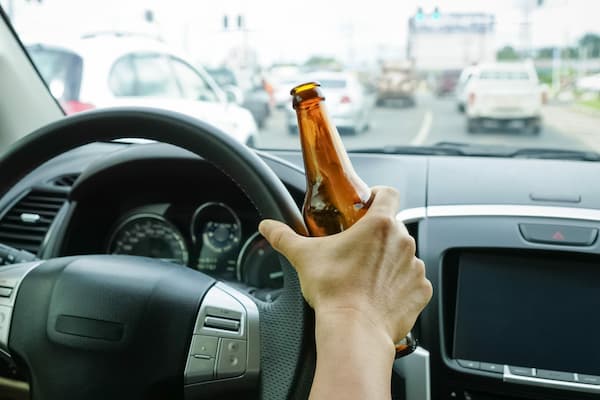
A DUI, or driving under the influence, occurs when a person operates a vehicle while impaired by alcohol or drugs. A driver cannot make wise decisions or respond quickly to changing road conditions due to impairment.
DUI laws vary by jurisdiction. However, they prioritize public safety and aim to prevent people from driving while intoxicated.
Legal Blood Alcohol Levels
Legal blood alcohol levels represent the maximum amount of alcohol allowed in a person’s blood. Individual jurisdictions set these limits, which are typically expressed as a percentage.
A BAC limit of 0.08% is common in many places. This indicates that a driver with a BAC of 0.08% or higher is legally impaired.
Standard DUI Procedures
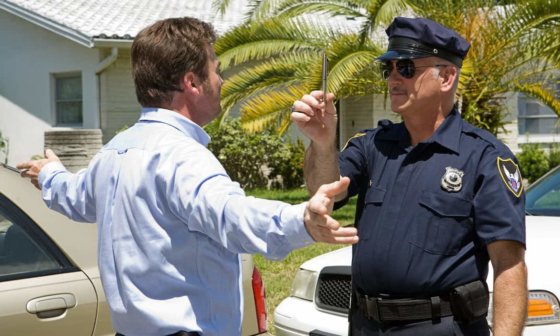
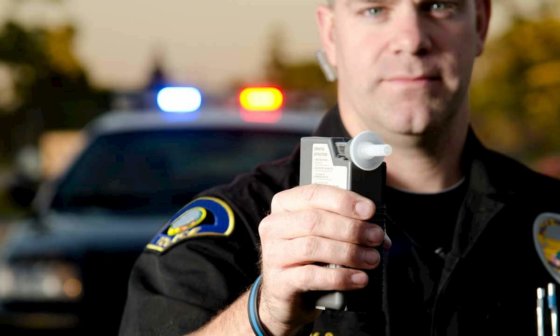
Standard DUI procedures include field sobriety tests and breathalyzer or blood tests to determine BAC. Officers assess the driver’s behavior. Then they conduct preliminary breath tests during the stop.
The driver is arrested or taken for additional tests, such as a breathalyzer or blood test, when the primary assessments indicate impairment.
After-The-Fact DUI Cases
Scenarios For Delayed DUI
Delayed DUI charges generally arise from accidents, anonymous tips, or delayed blood test results. In cases where you were stopped for a minor violation or not stopped at all, witnesses who later report erratic driving also lead to delayed DUI.
It’s crucial to remember that a DUI isn’t always determined at the scene.
Evidence In Post-Event DUI
Collecting evidence becomes more challenging after the fact. But witness testimonies and surveillance footage play crucial roles. Again, any incriminating statements made to friends, family, or on social media are used as evidence.
Witness And Video Role
Eyewitness accounts help establish events surrounding the alleged DUI incident. Again, video evidence, such as CCTV or dashcam footage, is proof of the driver’s behavior and condition.
Legal Time Limits
Different jurisdictions have different legal limitations that dictate how long charges can be filed after an incident. These limitations ensure that cases are prosecuted in a timely manner. This also ensures fairness and efficiency.
The legal time limits vary based on different factors. For example, the severity of the offense, the availability of new evidence, or the discovery of the accused’s identity.
Evidence And Investigations
Gathering DUI Evidence

Gathering DUI evidence is a meticulous process. Law enforcement officials seek any data to know the suspect’s condition at the time of driving. For example, they can check receipts from bars to establish alcohol consumption.
Officials also interview witnesses or observe security camera footage to generate evidence.
Role Of Witnesses
Witnesses provide vital information about the suspect’s behavior, appearance, and driving habits. Witnesses are people who saw the suspect driving or who were standing near the accident spot.
Again, individuals who interacted with the suspect before the accident are also considered as witnesses.
Traffic Cameras And Data
Traffic cameras capture clear evidence of dangerous driving behavior. For example, speeding or failing to obey traffic signals, etc. Data from red-light cameras or automatic license plates help recognize the suspect’s location and time.
Forensic And Medical Reports
Forensic and medical reports provide scientific evidence regarding the suspect’s impairment level. For example, Blood tests are very important in determining blood alcohol content (BAC) or the presence of drugs.
Legal Process And Rights
Understanding Your Rights
Knowing your rights during a DUI stop is crucial for a fair legal process. You have the right not to answer any questions that incriminate you.
You also have the right to an attorney; the court must provide a public defender if you can’t afford one. You have the right to be presumed innocent until proven guilty and the right to a fair and public trial.
Arrest And Charging Process
Understanding the arrest and charging process helps individuals navigate the legal system effectively. The authorities issue a warrant for your arrest if they gather enough evidence. You could be arrested at home, work, or another location.
Once arrested, you’ll typically be taken to a police station.
Legal Representation Importance

Seeking legal representation is vital to ensure a fair and just defense. An experienced DUI attorney guides you through the legal system. He strives to ensure your rights are protected.
They analyze the evidence against you and negotiate with prosecutors. A lawyer also advises you on the best course of action. He advises you whether it’s to fight the charges or to consider a plea bargain.
Plea Bargains And Trials
A plea bargain involves negotiating a deal with the prosecutor. You will plead guilty to a lesser charge in exchange for a lighter sentence. This option is appealing if the evidence against you is strong and it offers a quicker resolution.
When you go to trial, your case will be presented before a judge or jury. Trials involve presenting evidence, witness testimonies, and legal arguments.
The decision to accept a plea bargain or go to trial is made after thorough consultation with the attorney.
Defending Against Post-Event DUI
Legal Defense Strategies
Effective legal defense strategies include several approaches. For example, the attorney challenges the accuracy of the evidence. He can ask if the test of blood alcohol content (BAC) was taken just after the incident or not.
They also question the legality of the evidence-gathering process. They present alternative explanations for your behavior to prove that you were not intoxicated.
Questioning Evidence Validity
Questioning the validity of the evidence is a key defense tactic. Your attorney questions the methods used to collect or analyze blood samples. They also highlight the potential for contamination or error.
Your attorney challenges the accuracy if there is any video evidence.
Alibi And Timeline Construction
Constructing a solid alibi and timeline of events helps establish innocence. Or it raises doubts about the accuracy of the charges.
Your lawyer will work to piece together your activities. He will analyze the scenes where you were before, during, and after the incident. He gathers receipts, phone records, or testimonies from people you were with.
Expert Witnesses Use
Expert witnesses, such as toxicologists or accident reconstruction specialists, is crucial to strengthen a defense. Again, forensic experts challenge the prosecution’s interpretation of accident scenes or medical reports.
FAQ
1. What Constitutes An After-The-Fact DUI Charge?
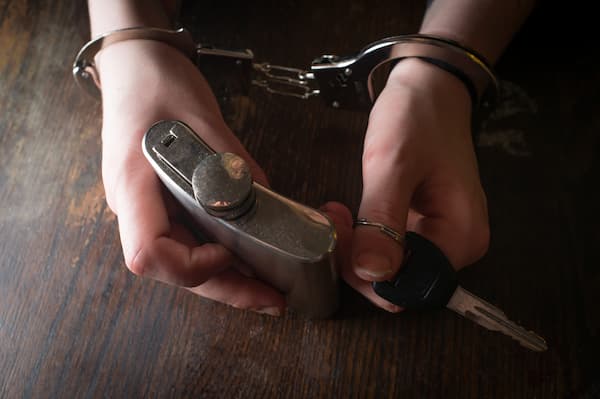
An after-the-fact DUI charge arises when law enforcement, witnesses, or evidence collection delays the identification of a DUI incident.
2. How Is Evidence Collected For Delayed DUI Cases?
Evidence is collected through witness testimonies, forensic and medical reports, and the analysis of traffic cameras for delayed DUI cases.
3. Can You Get A DUI After The Fact In MN?
Yes, you can face a DUI charge after the fact in Minnesota.
Conclusion
Understanding the nuances of DUI cases brought after the fact is crucial for anyone facing such charges. You need to be aware of the legal processes and know your rights. Again, you should have a clear idea about effective defense strategies.
Always consult a legal professional for valuable advice specific to your case. These steps will ensure a fair resolution.