
Facing the prospect of a bright nursing career, you might suddenly hit a roadblock, thinking, “Can I take the NCLEX if I have a DUI?” This question can create a whirlwind of uncertainty and concern.
A DUI can feel like a dark cloud, looming over your dreams, but does it really determine your professional future? The answer is not as simple as yes or no; it’s layered, complex, and depends on several factors.
Let’s shine a light on this issue, dispel the doubts, and guide you toward understanding how a DUI can influence your journey to become a licensed nurse.
Table of Contents
DUI Convictions And Licensure
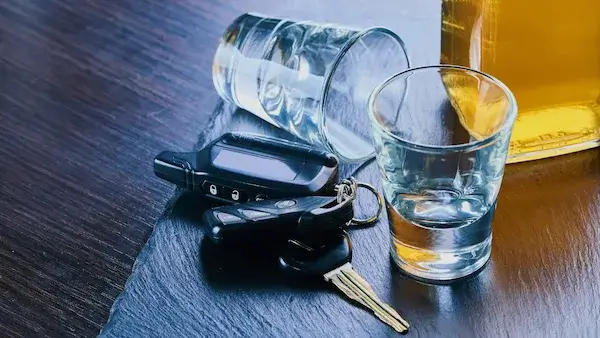
When a DUI conviction meets the path to a nursing career, things can get a bit tangled. But, don’t worry! By understanding what DUI is and its consequences, along with the implications for nursing licensure, you can better navigate these tricky waters.
Definition And Consequences Of DUI
DUI stands for Driving Under the Influence, usually referring to the act of driving a vehicle while impaired by alcohol or other drugs. It’s a serious crime with consequences that can include fines, license suspension, and even jail time.
The severity of these penalties often depends on the specific laws of the state and the circumstances surrounding the DUI incident.
Implications For Nursing Licensure
Now, how does a DUI impact your journey to becoming a nurse? The process of obtaining a nursing license involves a thorough background check, including criminal history.
A DUI conviction doesn’t automatically disqualify you from taking the NCLEX or becoming a nurse, but it can potentially raise concerns for the nursing board. They will review the nature, severity, and recency of the DUI, your rehabilitation efforts, and other factors before making a decision. Remember, every case is unique, just like every aspiring nurse.
NCLEX Eligibility Requirements
To navigate the journey of becoming a nurse with a DUI, you need to understand the NCLEX eligibility requirements.
The National Council of State Boards of Nursing (NCSBN) has set criteria that prospective nurses must meet. One significant part of this process is the disclosure of criminal history, including DUI.
National Council Of State Boards Of Nursing (NCSBN) Criteria
The NCSBN is the governing body that oversees the NCLEX and establishes the eligibility criteria.
This typically includes completing a state-approved nursing program and applying for licensure with the board of nursing in the state where you want to be licensed. Each state board may have different requirements, so it’s important to check with your local board.
Disclosure Of Criminal History, Including DUI
A key part of the application process is the disclosure of criminal history. Honesty is vital here – if you have a DUI, you need to declare it. The board will carefully review the details of the DUI and your subsequent actions.
Having a DUI doesn’t automatically prevent you from taking the NCLEX, but not disclosing it can lead to more serious consequences, such as denial of licensure or even legal repercussions. Transparency and integrity are essential in this profession, starting from the application process itself.
State-Specific Policies
When asking, “Can I take the NCLEX if I have a DUI,” it’s important to remember that the answer might vary from state to state. The regulations on DUI and nursing licensure aren’t the same across the board, which makes understanding your state’s specific policies crucial.
Varying Regulations On DUI and Nursing Licensure

Whether or not you can be a nurse if you have been charged with a DUI (Driving Under the Influence) depends a lot on where you live. Some places are very strict and might not let you be a nurse if you have even one DUI.
Other places might be more understanding if you made a mistake one time and have improved since then. If you want to know for sure, you should look up the rules in your area.
State Board Of Nursing Guidelines For Applicants With DUI
Each State Board of Nursing has specific guidelines for applicants with a DUI. These guidelines will often detail how they review these situations and what you can do to enhance your application.
They will consider factors like the time elapsed since the DUI, whether it’s a repeat offense and any rehabilitation efforts undertaken. So, even if you have a DUI on your record, remember that the door to becoming a nurse may not be completely closed. It’s about understanding the rules, showing growth, and never losing sight of your dream.
Rehabilitation And Fitness To Practice
Even with a DUI, your nursing aspirations are far from over. In fact, by completing mandated programs and engaging in rehabilitation efforts, you can positively influence your application.
Demonstrating fitness for nursing practice is essential and can help overcome the hurdles a DUI might present.
Completion Of Mandated Programs And Rehabilitation Efforts
Completion of court-mandated programs, such as alcohol education or therapy, is a step in the right direction. Additionally, voluntary efforts, such as participating in support groups or rehabilitation programs, can demonstrate your commitment to change. These actions show that you’ve taken your DUI conviction seriously and worked hard to rectify the situation.
Demonstrating Fitness For Nursing Practice
To take the NCLEX and pursue a nursing career, you must demonstrate fitness to practice. This involves showing that you possess the character and competence required to perform the duties of a nurse effectively and safely.
Evidence of rehabilitation, completion of your nursing program, character references, and sometimes a personal statement can all contribute to affirming your fitness for nursing. Remember, everyone makes mistakes, but how we learn and grow from them defines our path forward.
Disclosure And Documentation
Transparency is key when dealing with a DUI during your NCLEX application. Timely reporting of the DUI and providing the necessary documentation can help you avoid further complications.
Reporting DUI During NCLEX Application

When applying for the NCLEX, you’ll likely be asked about criminal convictions, including DUIs. It’s crucial to be truthful and report your DUI during this process. Not only is this ethically right, but failure to disclose it can result in more severe consequences, like application denial or legal action.
Providing Required Documentation
Along with reporting your DUI, you’ll need to provide related documentation. This could include court records, completion certificates for any mandated programs, or evidence of rehabilitation efforts.
This documentation provides a detailed picture of your situation, showing that you’ve complied with all requirements and made sincere efforts to improve. Clear and thorough documentation can go a long way in reinforcing your application.
Navigating The Application Process
The application process might seem daunting, especially when a DUI is involved. However, by seeking guidance from the State Board of Nursing and fulfilling any additional requirements due to the DUI, you can ensure a smoother journey.
Seeking Guidance From The State Board Of Nursing
Don’t hesitate to reach out to your State Board of Nursing for guidance. They can provide specific advice on how to handle your DUI during the application process. Their expertise and understanding of the regulations can offer invaluable insights to aid you in this challenging time.
Fulfilling Additional Requirements Due To DUI
Depending on your situation, there may be additional requirements to fulfill due to your DUI. These might include extended periods of supervised practice, additional background checks, or ongoing participation in recovery programs.
By adhering to these requirements, you demonstrate your dedication and suitability for the nursing profession.
Seeking Legal Advice

In certain circumstances, it may be beneficial to seek legal advice. A professional licensure attorney or a legal expert can help you understand your options for addressing a DUI.
Consulting Professional Licensure Attorney
Consulting a professional licensure attorney can be beneficial, especially in complicated cases. They can guide you in presenting your case in the best possible light, ensuring all relevant factors are considered and your rights are protected throughout the process.
Understanding Legal Options For Addressing DUI
Understanding your legal options can empower you to take the best course of action. This could include contesting the DUI, seeking an expungement, or navigating the appeal process if initial licensure is denied.
Each case is unique, and legal counsel can provide personalized advice to help you make informed decisions and potentially increase your chances of licensure.
FAQs

1. Can I Take The NCLEX With A DUI On My Record?
Yes, you can take the NCLEX with a DUI on your record. However, it’s important to note that the presence of a DUI doesn’t automatically disqualify you but may raise concerns for the nursing board. They review factors like the severity and recency of the DUI, your rehabilitation efforts, and more before making a decision.
2. How Does A DUI Affect Nursing Licensure Eligibility For The NCLEX?
A DUI can potentially affect your eligibility for the NCLEX. Each state’s nursing board reviews these cases on an individual basis. Factors considered include the nature of the DUI, time elapsed, any repeat offenses, and evidence of rehabilitation. While a DUI doesn’t automatically prevent you from taking the NCLEX, it can make the process more complex.
3. Should I Disclose My DUI During The NCLEX Application?
Absolutely. Honesty is essential when applying for the NCLEX. Failure to disclose a DUI can lead to more serious consequences, like denial of licensure or even legal repercussions. Transparency is key in demonstrating integrity, a vital attribute for a nurse.
Conclusion
And that’s a wrap, future nurses! A DUI may seem like a big hurdle in your path to becoming a licensed nurse, but remember, it’s not an insurmountable one. Yes, it makes the process a bit more complex, but with honesty, diligence, and the right guidance, you can navigate this journey.
Each step you take towards rehabilitation and each document you submit is a testament to your commitment to the nursing profession. Remember, setbacks can pave the way for comebacks, and your dreams of acing the NCLEX and serving as a nurse are still within reach. Here’s to your resilience and to your bright future in nursing!