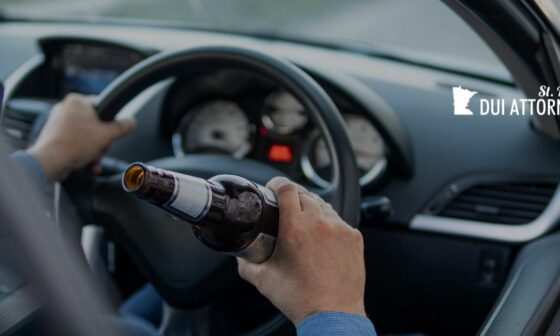
Imagine you’re riding in the car, just as a passenger, but suddenly, you could be facing a DUI charge. Surprising, right? While it’s not common, there are situations where even passengers can get accused of a DUI.
In rare cases, a passenger can receive a DUI if they are deemed to have exercised control over the vehicle while intoxicated. This can happen if the passenger assists in steering or operating any vehicle functions. Local laws vary, so understanding specific state regulations is crucial.
Every place has its own rules about this. The best choice is to sit back and let the driver handle things. Stay safe and smart!
Table of Contents
Key Takeaways
- Rare but Possible: Passengers can face DUI charges if they exercise control over the vehicle while intoxicated, though this is uncommon.
- Local Laws Vary: Passengers must know the specific DUI laws in their state, as legal definitions and consequences differ.
- Always Cooperate: During a DUI stop, cooperating with law enforcement can prevent misunderstandings and additional legal complications.
Understanding DUI Laws
Understanding DUI (Driving Under the Influence) laws is essential for every driver and passenger. DUI laws are to stop accidents and promote road safety. They do this by banning driving under the influence of alcohol or drugs. Here are key points to understand about DUI laws:
- Blood Alcohol Concentration (BAC) Limits: Most places have a set BAC limit, usually 0.08%. Above it, a person is legally impaired to drive.
- Zero Tolerance for Minors: Many places have zero-tolerance laws for drivers under the legal drinking age. They mean any trace of alcohol can lead to a DUI charge.
- Drugs and DUI: DUI laws also apply to driving under the influence of drugs. This includes prescription and recreational drugs that impair driving.
- Implied Consent Laws: Drivers are assumed to consent to BAC testing when driving on public roads. Refusing a breathalyzer or blood test can lead to severe penalties, such as license suspension.
- Penalties and Consequences: DUI convictions result in heavy fines and license suspension. They also require alcohol education, which can lead to jail.
- Passenger Liability: While rare, passengers can be charged if they exert control over the vehicle while intoxicated.
- Field Sobriety Tests: Police may conduct field sobriety tests to assess a driver’s physical and cognitive abilities on the spot.
Knowing these laws can help people make informed choices and avoid the harsh consequences of DUI charges. Always consider safety first. This applies to both drivers and passengers. It’s to ensure you follow the law and keep yourself and others safe on the road.
Passenger Responsibilities
When you’re a passenger, you have some essential things to remember. Let’s talk about what you should do and what you should avoid.
No Driving Involvement
As a passenger, your job is simple: don’t try to drive the car. You should not touch the steering wheel, gears, or pedals. Even when you think you’re helping, leaving the driver to the person in the driver’s seat is better.
Influence On Driver

You also need to be careful about how you act around the driver. Avoid distracting them or encouraging unsafe driving habits. It’s best to help keep the driver safe by not causing any disturbances or encouraging the driver to speed or drive recklessly.
Public Intoxication
Being very drunk in a car can still get you into trouble, even if you are not driving. In some places, you can face charges for being publicly intoxicated if you’re causing a scene or acting in a way that could be dangerous. It’s essential to control how much you drink and how you behave in the car.
Legal Consequences For Passengers
Even when you’re just riding in the car and not driving, there are still rules you need to follow. Breaking these rules can lead to trouble with the law. Let’s explore what can happen.
Open Container Laws
Many places have laws about open containers of alcohol in cars. As a passenger, you must not hold an open bottle or can of alcohol. When police find an open container in the car, they can give you a ticket, even if you were not drinking it.
Public Intoxication Charges
Being very drunk in public places, including cars, can lead to charges of public intoxication. If your behavior is out of control, noisy, or you cause trouble, the police can charge you. It’s best to stay calm and quiet if you drink too much.
Disorderly Conduct
Disorderly conduct includes fighting, being very loud, or causing a scene in public. As a passenger, if you disrupt peace or misbehave towards others, you can face these charges. Behaving well and respecting others, including drivers and passengers, is essential.
Scenarios Leading To Passenger DUI
Sometimes, even if you are just a passenger, you can still face a DUI charge. Here are some ways this can happen:
Assisting Impaired Driver
When the driver is too drunk to drive, and you try to help by steering or controlling the car from the passenger seat, you can get in trouble. Even if you’re just trying to be safe, the law may see it as you taking control of the vehicle.
Switching Seats
When you switch seats with the driver while the car is being pulled over, you can get a DUI. This can look like you were trying to hide who was driving. It is best to stay in your seat and let the driver handle the situation.
Minor In Vehicle

When you are an adult, and you have a minor in the car while you are drunk, this can lead to severe problems. The law takes extra care to protect children, and being drunk around them, even as a passenger, can lead to extra charges or penalties. Always act responsibly, especially with kids in the car.
State-Specific Regulations
Regarding DUI rules, not all places have the same laws. Here’s what you need to know about how laws can change from one state to another.
Variations In DUI Laws
Different states have different limits on how much alcohol you can have in your blood when you drive. Some places may have stricter rules about what happens if you break these laws. It’s essential to know the rules of the state you are in.
State-by-State Differences
Every state has its own laws about DUIs. For example, some states have harsh penalties even for your first DUI, while others can be less severe. It’s important to know the laws of the state you are in, especially if you are traveling.
Local Enforcement Practices
The way police handle DUI cases can also change depending on where you are. Some places may check cars more often or have different ways of testing drivers. Understand how local police work so you can be prepared and stay safe.
Preventive Measures
It’s essential to stay safe and avoid DUI problems, even as a passenger. Here are 3 ways to do that:
Choosing A Designated Driver
Before you go out, pick one person to be the driver who won’t drink at all. This person is called the designated driver. They stay sober to make sure everyone gets home safe. Make sure everyone agrees on who this will be before any fun starts.
Using Rideshare Services

When no one wants to be the designated driver, use a rideshare service like Uber or Lyft. This is a safe choice because you get a sober driver to take you wherever you need. It’s easy to call a ride with an app on your phone.
Understanding Legal Risks
Know the DUI laws in your area. Understanding these can help you see the risks and avoid trouble. Remember, even as a passenger, you can be in a bad situation if you’re not careful. Always make safe choices when you’re in a car, especially if alcohol is involved.
FAQs
1. What Are The Penalties For Passengers In DUI Cases?
In DUI cases, passenger penalties can vary by jurisdiction. Generally, passengers are not charged unless they are deemed to have control over the vehicle. Potential penalties include fines or mandatory participation in alcohol education programs. Always consult local laws for specifics.
2. What Are The Rights Of A Passenger In A DUI Stop?
In a DUI stop, passengers have the right to remain silent, refuse consent to search their belongings, and request an attorney if detained. They are not required to perform sobriety tests unless they are suspected of DUI themselves. Knowing these rights can protect passengers during such encounters.
3. Are Passengers Required To Provide ID During A DUI Stop?
During a DUI stop, passengers are not generally required to provide identification unless there is reasonable suspicion of involvement in a crime. However, laws can vary by state, so it’s important for passengers to be aware of local regulations. Cooperation with law enforcement is advised.
Conclusion
So, can you get a DUI as a passenger? Getting a DUI as a passenger is rare but possible. Always make smart choices to stay safe. Pick a designated driver, use a rideshare service, or simply know the DUI laws where you are.
Avoid touching the car controls if you’re not driving, and avoid distracting the driver. Staying informed and responsible helps keep you and everyone else safe on the road. Remember, your safety and avoiding legal trouble are in your hands, even as a passenger.