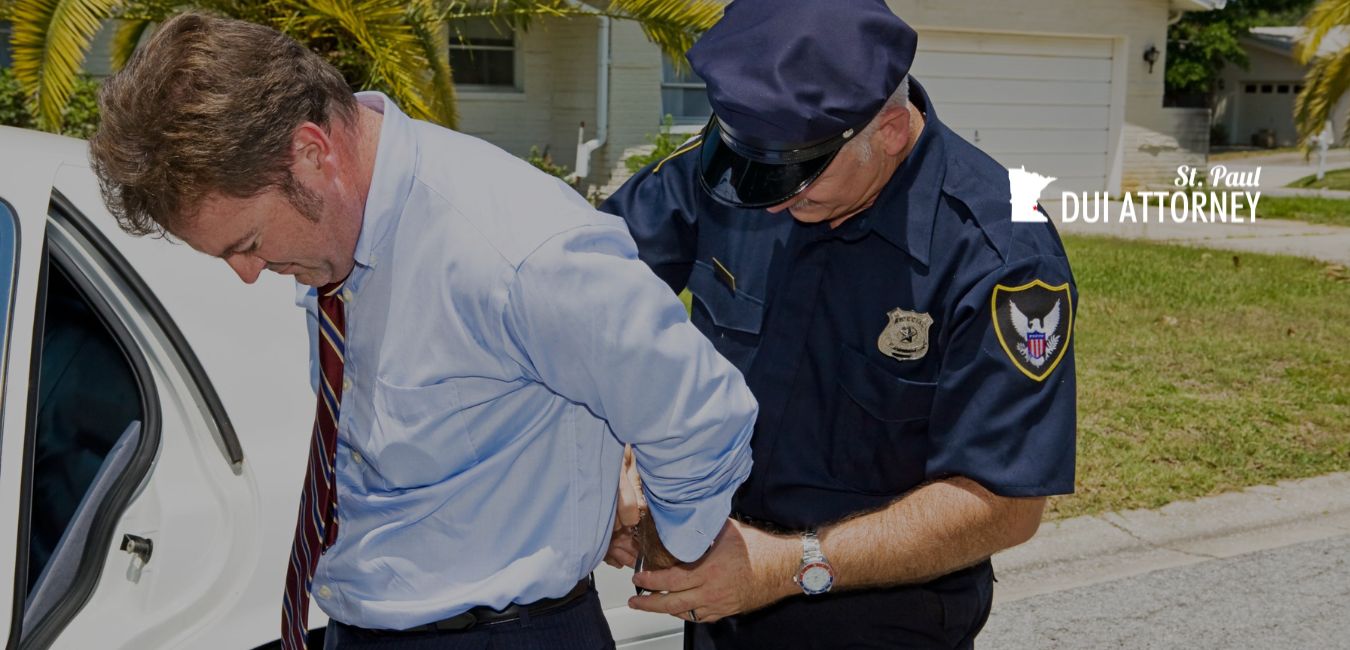
Think a few drinks and a joyride on your property are harmless? Think again! Many assume a DUI only applies on public roads, not only public properties. So, can you get a DUI on your own property?
Yes, you can be charged with a DUI on your property. Driving under the influence is illegal regardless of location, including private property. When you operate a vehicle while impaired, you can face DUI charges even if you are on your land. This emphasizes the law’s focus on safety over location.
Let’s explore how property type and police presence affect DUI enforcement so you know the risks before getting behind the wheel, even at home.
Table of Contents
Key Takeaways
- DUI on Private Property: You can receive a DUI on your property if you are operating a vehicle and are impaired.
- Law’s Reach: Most DUI laws are designed to ensure safety and apply regardless of location, including private properties.
- Enforcement Variability: While public roads are primary enforcement areas, DUI laws can extend to private properties accessible to the public.
DUI Laws On Private Property
DUI laws can apply on private property. This means that you can face DUI charges even on your land. However, the rules can vary depending on where you live and other factors.

State-Specific Regulations
Each state has its own rules about DUIs on private property. In some states, DUI laws cover any area where you can drive a vehicle, including your private driveway or a private lot.
Other states can limit DUI enforcement to public roads only. It’s important to know your state’s laws.
Legal Precedents
Court cases in the past have helped shape how laws apply to private property. For example, some court decisions have supported the idea that people can be charged with a DUI on private property if they pose a danger to others. These cases show that the law can reach into private areas if public safety is at risk.
Enforcement Of Private Land
Police usually patrol public roads for DUIs. However, they can enter private property if they see a crime or have a warrant. Enforcement can happen on private land if a complaint or an accident occurs. These events draw police to the scene.
Scenarios Leading To DUI On Private Property
Getting a DUI on private property can occur under several scenarios. Here are 3 common situations where someone finds themselves facing DUI charges even when they are not on public roads:
Driveways And Private Roads
You can get a DUI in your driveway or on private roads within your property. When you drive any vehicle and your ability is impaired by alcohol, you can face charges. This applies even if you move the car a short distance on your land.
Parking Lots
Parking lots, especially those open to others, like at a store or an apartment complex, are common places for DUI enforcement. Once you drive impaired in these areas, law enforcement can issue DUIs, just as they would on a public street.
Large Private Estates
Even on a large private estate, driving under the influence can lead to a DUI. When the estate has roads used by others or an event occurs where guests are present, police can patrol these areas and enforce DUI laws.
Legal Consequences Of DUI On Private Property
The legal consequences of receiving a DUI on private property can be similar to those incurred on public roads, depending on the jurisdiction. Here’s what one face if charged:
Criminal Penalties
Getting charged with a DUI on private property is serious. You could face fines. They range from a few hundred to thousands of dollars. The amount depends on the state and the specific details of your case.
Jail time is also possible, especially if it’s not your first DUI offense. Imprisonment can last from a few days to several years. The longer terms are for repeat offenders.
License Suspension

One of the immediate impacts of a DUI charge is the suspension of your driving license. This penalty applies regardless of where the DUI occurred—public or private property. The length of the suspension can vary.
You can lose your license for a first offense for a few months to a year. For later offenses, the suspension could last several years. Or it could result in a permanent revocation.
Insurance Implications
A DUI charge affects your relationship with your insurance company. After a DUI, insurers may label you as a high-risk driver, which typically leads to higher premiums. Sometimes, the increase can be substantial, doubling or even tripling your rates.
Also, some insurers can choose to cancel your policy. Then, you’d have to seek coverage from insurers specializing in high-risk profiles. Coverage from them is often more expensive.
Defending Against A Private Property DUI
You can defend yourself when you face a DUI charge on your property. Here’s what you need to know:
Legal Defenses
Several legal defenses can help if you get a DUI on your property. One defense is that the land is private and not open to public traffic. This can sometimes mean DUI laws do not apply as they would on a public road.
Another defense could be that you did not drive the vehicle but were merely in it, which in some places may not count as “operating” the vehicle under DUI laws.
Role Of Legal Counsel
A lawyer plays a key role in defending against a DUI. They know the law well and can find strong defenses for your case. Your lawyer will look at how the police handled your arrest and challenge any mistakes they made. They can also talk to witnesses who saw what happened or find video evidence that helps your case.
Mitigating Factors
Mitigating factors can reduce the severity of your DUI charges. These include your behavior during the arrest, your driving record, and whether you were a danger to others.
When this was your first offense, and no one was hurt, your lawyer could argue for a lighter penalty. They also suggest you attend a driver safety class or treatment for alcohol use, which can show the court you want to avoid future problems.
Prevention And Safety Tips
Preventing a DUI, regardless of the location, is crucial for safety and legal reasons. Here are tips to help avoid driving under the influence, even on private property:
Avoiding DUI Risks
The first step to avoid getting a DUI on your property is simple: do not drive if you have been drinking. Always check how much alcohol you consume and remember that even small amounts can affect your driving.
It’s safe to stay off the road if you drink. This will keep you and everyone around you safe.
Alternative Transportation
When you plan to drink, having a backup plan is smart. Here are some ideas:
- Use a ride-sharing service like Uber or Lyft.
- Ask a family member or a friend who didn’t drink to drive you.
- Stay overnight at the host’s place if it’s safe and you’re far from home.
Having these plans can stop you from deciding to drive after drinking.
Hosting Safe Events
Once you host a party, you can do a lot to ensure your guests stay safe. Here are some tips:
- Serve non-alcoholic drinks as options.
- Stop serving alcohol a couple of hours before the party ends.
- Arrange rides for guests who need them.
- When guests drink too much, ask them to stay over or help them get a safe ride home.
FAQs
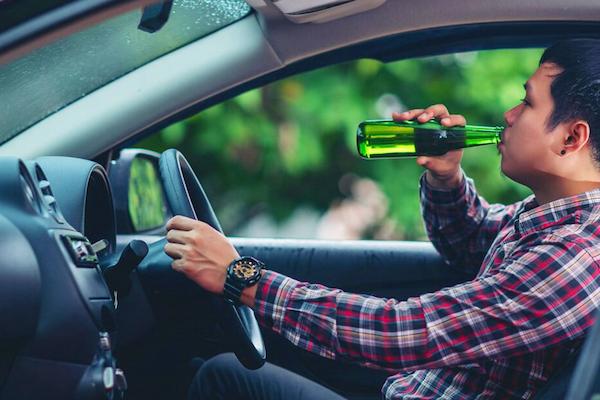
1. What Vehicles Are Included Under DUI Laws On Private Property?
DUI laws on private property typically include all types of motor vehicles, such as cars, motorcycles, and ATVs. Even on private property, operating any vehicle under the influence can lead to DUI charges. These laws ensure safety and hold operators accountable, regardless of location.
2. Can I Get A DUI In My Driveway?
Yes, you can get a DUI in your driveway. When you are operating a vehicle and show signs of impairment, law enforcement can charge you with a DUI, regardless of your location. This includes being in the driveway of your own home. Always ensure you are sober before operating any vehicle.
3. Does The Type Of Private Property Affect The Enforcement Of DUI Laws?
In DUI law enforcement, the type of private property can impact the application of DUI laws. Generally, DUI laws apply on public roads, but enforcement can vary on private property. Exceptions exist for publicly accessible private properties like parking lots, where DUI laws still apply.
Conclusion: Can You Get A DUI On Your Own Property?
So, can you get a DUI on your own property? In most cases, yes. DUI laws aim to stop unsafe driving. That applies even on private property, where you can drive.
However, depending on the type of property and how public it is, there can be some gray areas. It’s always best to check your local laws to be sure.
Remember, even if you’re on your land, driving under the influence is a serious risk. For everyone’s safety, it’s best to find a sober ride.