Can you refuse blood test DUI? It’s a pressing question that comes to mind if you’re ever pulled over. Knowing the answer could change the course of events that follow. This topic is complex but super important to understand.
Whether you’re just curious or in this stressful situation, we’ve got the information you need. Keep reading to get the low-down on DUI blood tests, your rights, and what refusing could mean for you. Knowledge is power, so let’s get started!
Table of Contents
Legal Considerations

Knowing the rules about DUI tests, like blood tests, is important if you ever get into this kind of trouble. Let’s have a look at these 5 legal factors in detail.
Right To Refuse Tests
You have the legal right to decline a blood test when law enforcement stops you under suspicion of DUI. However, refusing to participate in this test is a complex decision that comes with its own set of legal challenges and risks.
Exercise this right with caution.
Implied Consent Laws
In many jurisdictions, “implied consent” laws are in effect. This means that by driving a vehicle, you implicitly agree to submit to specific blood or breath tests if law enforcement deems it necessary. It’s like a pre-approved agreement with the state.
Consequences Of Refusal
Be prepared for immediate repercussions if you refuse the blood or breath test. You will find yourself without a driver’s license well before you even have a chance to appear in court.
Plus, your refusal becomes vital evidence against you in your trial.
Search Warrants
Law enforcement officers go the extra mile and obtain a search warrant to ensure you take the blood test. This legal document, authorized by a judge, compels you to submit to testing. It is a step taken to gather critical evidence.
Legal Representation
Should you become involved in a DUI case, it’s strongly recommended to secure legal representation. Attorneys well-versed in DUI laws can provide invaluable guidance through the legal maze. They can clarify your options, prepare your defense, and represent you effectively in court.
Alternative Testing Methods
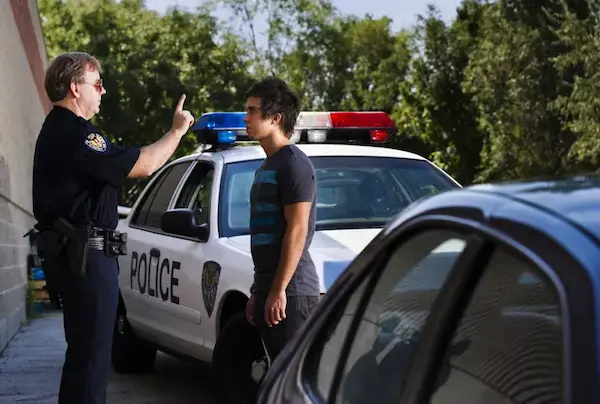
It’s good to know you have options other than a blood test if you’re pulled over for DUI. Understanding these other tests can help you know what to expect and even make things a bit easier for you.
These 5 methods are discussed below.
Breath Tests
You get asked to take a breath test. This is a machine that measures alcohol by checking your breath. You blow into it, and it gives a number that says if you’ve had too much to drink. It’s quick and not too hard.
Field Sobriety Tests
Officers also ask you to do some simple tasks by the side of the road. These could be things like walking in a straight line or standing on one foot. They use these tests to see if you’re acting like you’re drunk.
Urine Tests
Sometimes, you get asked to give a urine sample. It’s another way to check for alcohol or drugs in your system. It takes a bit longer to get the results, but it’s still a standard test.
Portable Breathalyzers
Portable breathalyzers are like little brothers to the big breath test machines at the station. Police can use these right where they stop you. They’re easy to use but not as exact as the big machines.
Accuracy Comparison
Each test has its way of being right or wrong. Some tests are better at telling if you’re drunk than others. For example, blood tests are often seen as the most accurate, but breath tests are getting better and better too.
Personal Rights And Ethics

In a DUI situation, you deal with more than just rules and laws. You’ve also got your own rights and some pretty big choices about what’s right or wrong. Knowing these 5 things helps you make better decisions and keeps you prepared.
Privacy Concerns
Privacy is a big deal for everyone. When you’re asked to take a blood or breath test, your personal space is at stake. However, these tests often happen because the law wants to ensure that all roads are safe for everyone to drive.
Self-Incrimination
You have a right to keep quiet so you don’t make yourself look guilty. This is what people mean when they talk about “self-incrimination.” But remember, saying no to a test doesn’t mean you’re off the hook.
You could still face some trouble later on.
Ethical Dilemmas
Life gives us hard choices to make. Imagine you had just a little to drink and feel pretty okay. The decision to drive or not can be really hard. It’s a big moral question, and there’s no simple yes or no answer.
Balancing Public Safety
Police are here to keep us safe, especially on the roads. That’s the main reason they do DUI tests. But it’s also their job to respect your personal rights.
So, the law tries to make it fair for everyone, keeping roads safe while respecting your rights.
Future Implications
What you decide in a DUI situation can affect you for a long time. You lose your license or even end up in court. These aren’t small things.
That’s why it’s so valuable to know your rights and think carefully about your choices.
FAQs
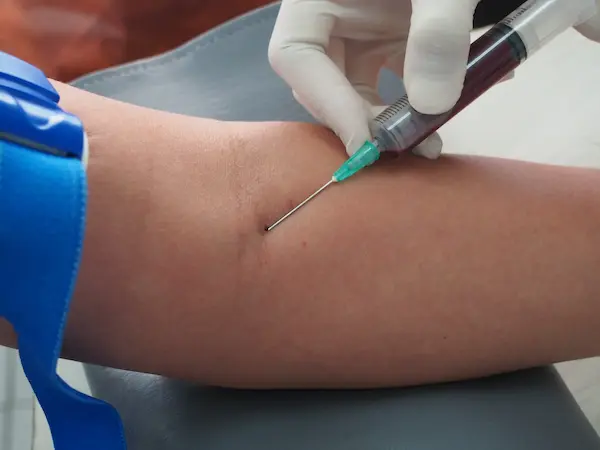
1. Is It Within My Rights To Refuse A DUI Blood Test?
Yes, you have the right to say no to a blood test. But remember, saying no will bring some trouble. Many places have laws that allow police to test if they think you’re driving under the influence.
2. What Legal Penalties Might I Face For Refusing A Blood Test?
You will lose your driver’s license if you refuse the blood test. You also have to go to court. The penalties vary from place to place, so it’s essential to know your local laws.
Can You Refuse Blood Test DUI: Conclusion
So, can you refuse blood test DUI? The simple answer is yes, you can. But, it’s not that straightforward. Saying no seems like a quick solution, but it leads to more issues, like losing your driver’s license or even going to court.
The key takeaway here is that knowledge is your best tool. By understanding your rights, the law, and the possible outcomes, you’re better prepared to make smart decisions.
Remember, the rules can vary depending on where you are, so it’s always good to know the laws in your area. Stay informed and make choices that are right for you!