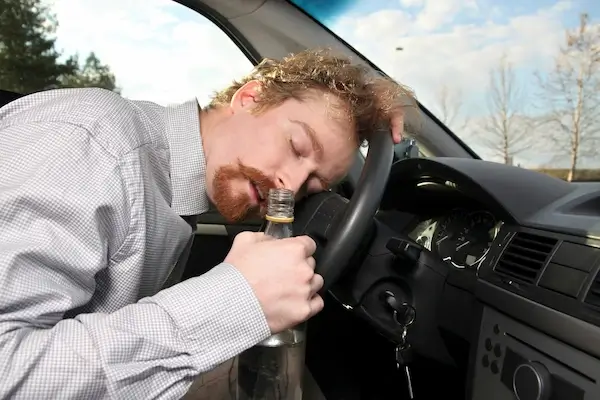
Did you know that even a nap in your car could land you in serious trouble? Imagine this: you’ve had a night out and had one too many sodas, making you feel drowsy. It seems like a good idea to pull over and sleep it off, right?
But here’s the shocking truth – you might still end up with a DUI (Driving Under the Influence) charge! Yes, that’s right. The legality of snoozing in your car while intoxicated is a perplexing issue.
In this article, we’ll unravel the fascinating reasons behind this conundrum and shed light on the question, “Can you get a DUI for sleeping in your car?
Table of Contents
Understanding DUI Laws

When it comes to driving under the influence (DUI), knowledge is power. Let’s delve into the fascinating world of DUI laws and the consequences they entail.
Definition And Legal Consequences Of A DUI
A DUI refers to operating a vehicle while under the influence of alcohol or drugs, surpassing the legal limit set by each jurisdiction.
The legal consequences of a DUI can vary depending on factors such as blood alcohol concentration (BAC), prior convictions, and the specific laws of the jurisdiction.
Variations In DUI Laws By Jurisdiction
DUI laws are not one-size-fits-all; they can differ significantly from one jurisdiction to another. Factors such as legal BAC limits, penalties, and even definitions of impairment can vary.
It’s crucial to understand the specific laws of the jurisdiction where you are driving to ensure compliance and avoid legal troubles.
Factors Influencing DUI Potential
When it comes to the potential for a DUI charge while sleeping in a car, certain factors come into play. Let’s explore the 2 key factors that can determine whether sleeping in a car can lead to a DUI charge.
Factors That Determine If Sleeping In A Car Can Lead To A DUI Charge
When it comes to sleeping in a car and the potential for a DUI charge, 3 factors play a significant role. These are mentioned below:
Intent: One crucial factor is your intent to drive while under the influence. Even if you’re sleeping in the car, having the intent to operate the vehicle can increase the likelihood of a DUI charge.
Engine Status: The status of the engine is another significant factor. In some jurisdictions, having the engine running, regardless of whether the car is stationary or in motion, can contribute to a DUI charge.
Vehicle Operation: Being found in physical control of the vehicle, such as being in the driver’s seat with access to the keys, can impact the potential for a DUI charge. It’s important to consider your level of control over the vehicle when assessing the legal implications.
Significance Of Intent, Engine Status, And Vehicle Operation
Understanding the significance of intent, engine status, and vehicle operation is essential when evaluating the potential for a DUI charge while sleeping in a car.
These factors can influence the legal consequences in different jurisdictions. It’s important to familiarize yourself with the specific laws in your area and seek legal advice if needed to navigate the complexities of DUI cases effectively.
By considering these factors, you can better understand the potential for a DUI charge and make informed decisions to ensure your legal well-being. Remember, staying informed and seeking professional guidance are key when it comes to understanding DUI laws and protecting your rights.
Impact Of Engine Status

The status of the engine can play a significant role in DUI cases. Let’s explore how this factor can affect the legal implications.
Role Of Engine Being On Or Off In DUI Cases
In DUI cases, whether the engine is on or off can have legal consequences. If the engine is running while intoxicated, even if the car is stationary, it can still result in a DUI charge in some jurisdictions. However, if the engine is off, it may provide a stronger defense against a DUI charge.
Different Treatment of This Factor by Jurisdictions
Jurisdictions vary in their treatment of the engine status factor. Some jurisdictions may consider it a crucial element in determining DUI charges, while others may focus more on factors such as actual driving or intent to drive.
Understanding the specific laws in your jurisdiction is essential to comprehend how the engine status factor may impact DUI cases.
Legal Alternatives To Avoid A DUI

When it comes to sleeping in your car to sober up, there are legal alternatives to avoid a DUI charge. Let’s explore these 2 options.
Options For Avoiding A DUI When Sleeping In A Car
To avoid a DUI while sleeping in your car, it’s crucial to ensure you are not in physical control of the vehicle.
This means that you should not have the keys in the ignition or be in a position where you could easily operate the vehicle. By taking these precautions, you can reduce the risk of being charged with a DUI.
Designated Drivers, Ride-Sharing Services, Or Alternative Accommodations
To completely eliminate the risk of a DUI, it’s advisable to plan ahead. Designating a sober driver, utilizing ride-sharing services, or arranging alternative accommodations can provide a safe and legal way to avoid driving under the influence.
These options allow you to enjoy your night out while prioritizing your safety and the safety of others on the road.
By understanding the impact of engine status in DUI cases and exploring legal alternatives, you can make informed decisions and avoid the potential legal consequences of sleeping in your car. Remember, prioritizing safety is always the best choice.
Important Considerations
Before making any decisions, it’s crucial to understand the risks and potential charges associated with sleeping in a car while under the influence. Let’s delve into some essential considerations surrounding the question, “Can you get a DUI for sleeping in your car?”
Risks And Potential Charges Associated With Sleeping In A Car
Sleeping in a car while intoxicated can still lead to potential DUI charges in certain jurisdictions, even if you have no intention of driving.
It’s vital to be aware of the local laws and how they specifically address this situation. By understanding the potential risks and charges, you can make informed choices and take necessary precautions to avoid legal consequences.
Need To Be Aware Of Local Laws And Seek Legal Advice
To navigate the complexities of DUI laws, it’s crucial to familiarize yourself with the specific laws in your area.
Seeking legal advice from a qualified professional can provide you with the guidance and clarity you need when it comes to the question, “Can you get a DUI for sleeping in your car?” They can help you understand the intricacies of local regulations and ensure you make informed decisions.
FAQs
1. Can I Sleep In My Car Overnight?
Yes, you can sleep in your car overnight, but it depends on local laws and regulations. Some places allow overnight parking or designated rest areas, while others may have restrictions.
Check with local authorities or refer to parking signs for specific rules in your area to ensure you are complying with the law and staying safe.
2. Can You Sleep It Off In Your Car?
Sleeping it off in your car can be a temporary solution, but be aware of potential legal implications. In some jurisdictions, if you have the intent to drive while under the influence, even if you’re sleeping in the car, it can still result in a DUI charge.
Familiarize yourself with local laws and consider alternative options for sobering up to ensure your safety and legal well-being.
3. How Do You Fall Asleep In The Backseat Of A Car?
To fall asleep in the backseat of a car, create a comfortable environment by adjusting temperature and ventilation. Use pillows or blankets for support, and consider window shades or earplugs to block out light and noise.
Practice relaxation techniques like deep breathing or meditation. Ensure the car is parked safely, following local laws regarding sleeping in vehicles. Prioritize safety and comply with regulations for restful sleep.
Conclusion
In the realm of DUI laws and the potential for a charge while sleeping in a car, understanding the key factors is paramount. By considering the factors of intent, engine status, and vehicle operation, you gain insight into the potential consequences.
Remember, your intent matters, the engine status can play a role, and being in control of the vehicle holds significance. Stay informed about the specific laws in your jurisdiction and seek legal advice when needed.
Being aware and making informed decisions are crucial to protect yourself legally. So, keep these factors in mind, stay safe, and navigate the road of DUI laws with confidence and clarity.